✔ Ships fast from Sydney warehouse
✔ Premium weight lifting belts for strength training
✔ Lever, buckle & neoprene options available
✔ Ideal for home gyms, PT studios & commercial facilities
✔ Australia-wide delivery
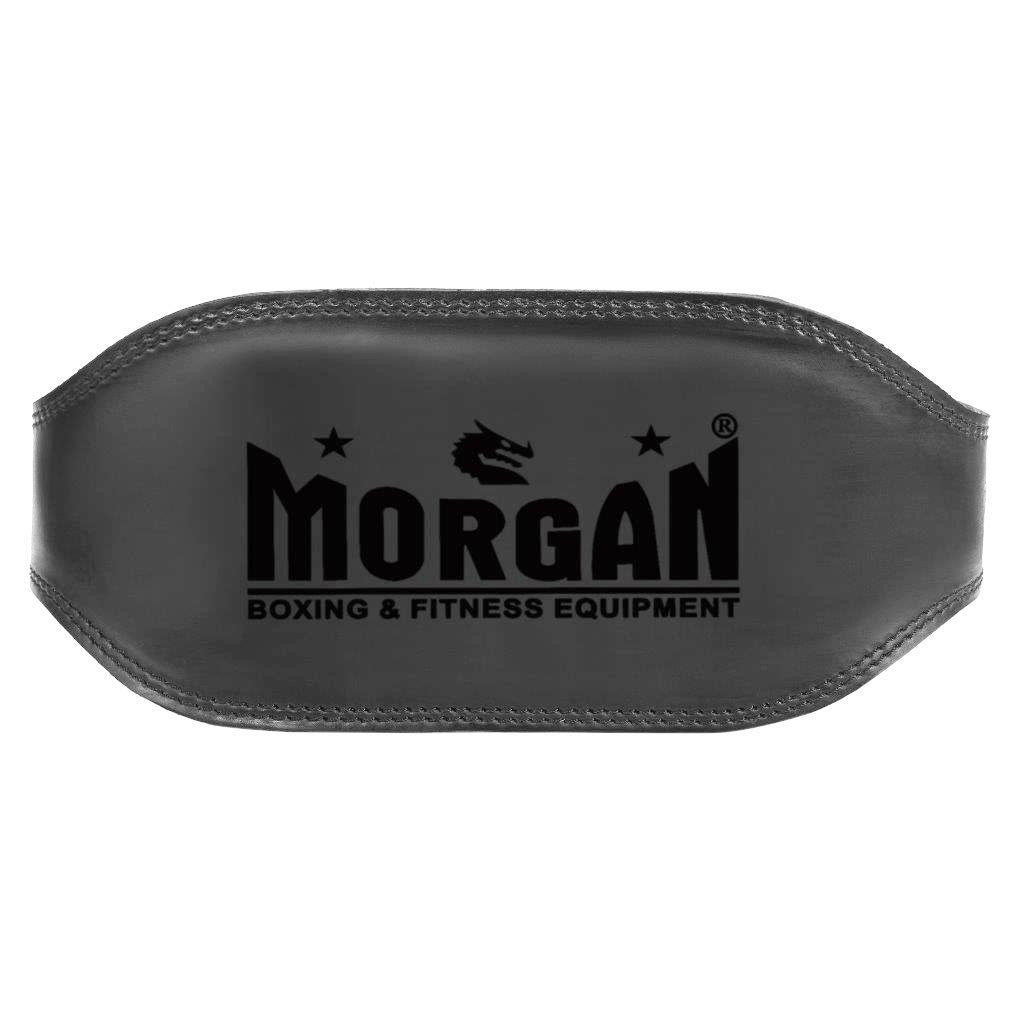
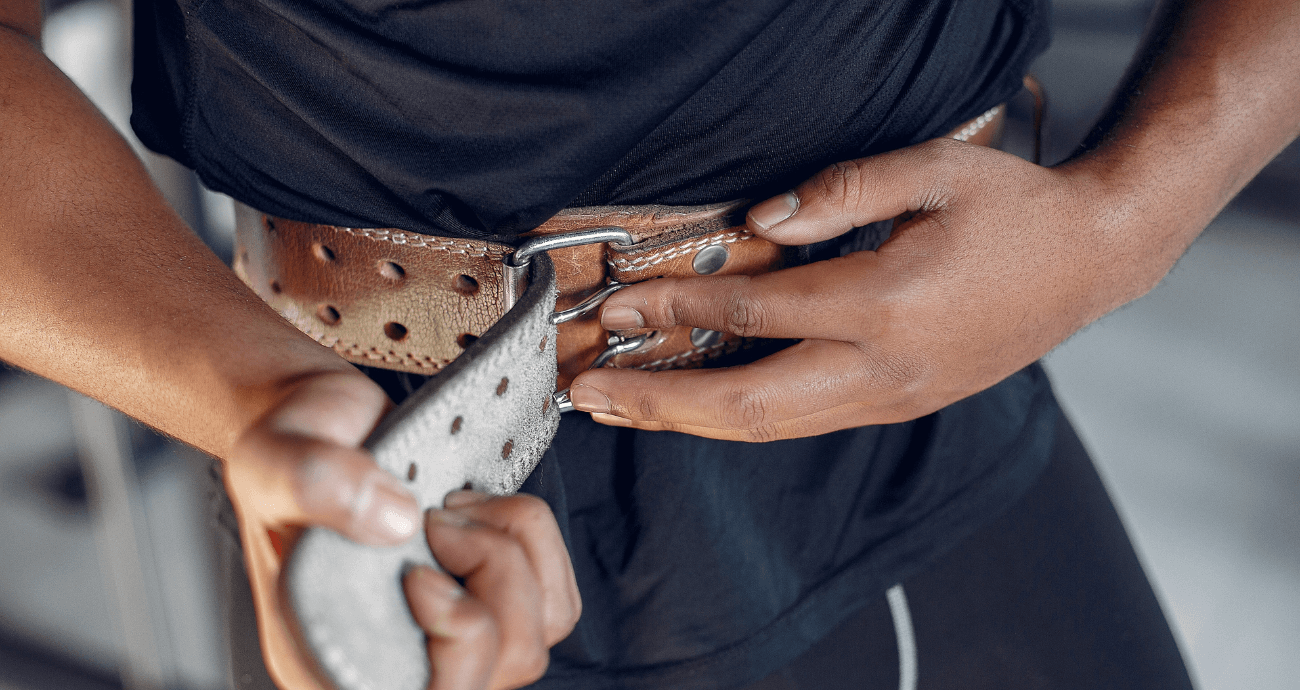
Looking to buy weight lifting belts in Australia? Musclemania Fitness Megastore stocks high-quality lifting belts designed to improve stability, support bracing, and help you lift with more control during heavy compound movements.
Weight lifting belts are most commonly used for squats, deadlifts, overhead press and heavy rows. By providing external support around the core, a good belt helps lifters brace more effectively and maintain a stronger trunk position under load.
This collection sits within our Training Accessories range. For a complete lifting setup, explore lifting gloves, lifting straps, wraps, sleeves, chalk, resistance bands and gear bags. Many lifters also pair belts with barbells and weight plates for progressive strength training.
What Are Weight Lifting Belts?
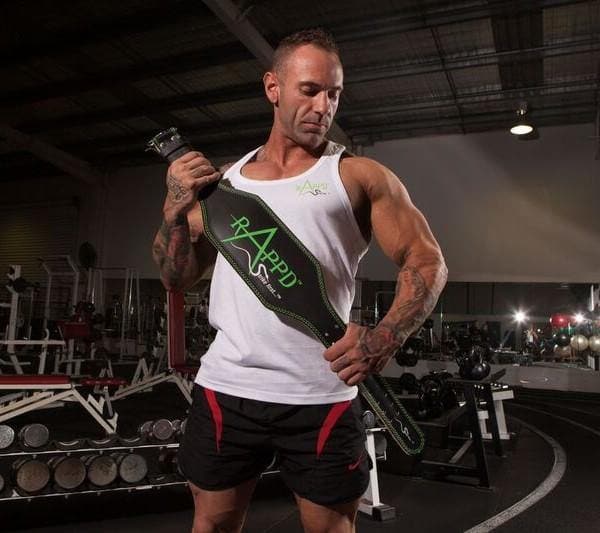
Weight lifting belts are supportive training belts worn around the midsection to help improve bracing during heavy lifts. They are designed to support the core by giving you something to brace against, which can help maintain technique under load.
- Supports bracing and trunk stability
- Commonly used for squats, deadlifts and overhead press
- Helps reinforce positioning under heavier loads
- Popular in strength training, powerlifting and general gym training
Belts are often used alongside chalk for grip control and lifting straps for heavy pulling movements where grip becomes the limiting factor.
Types of Weight Lifting Belts
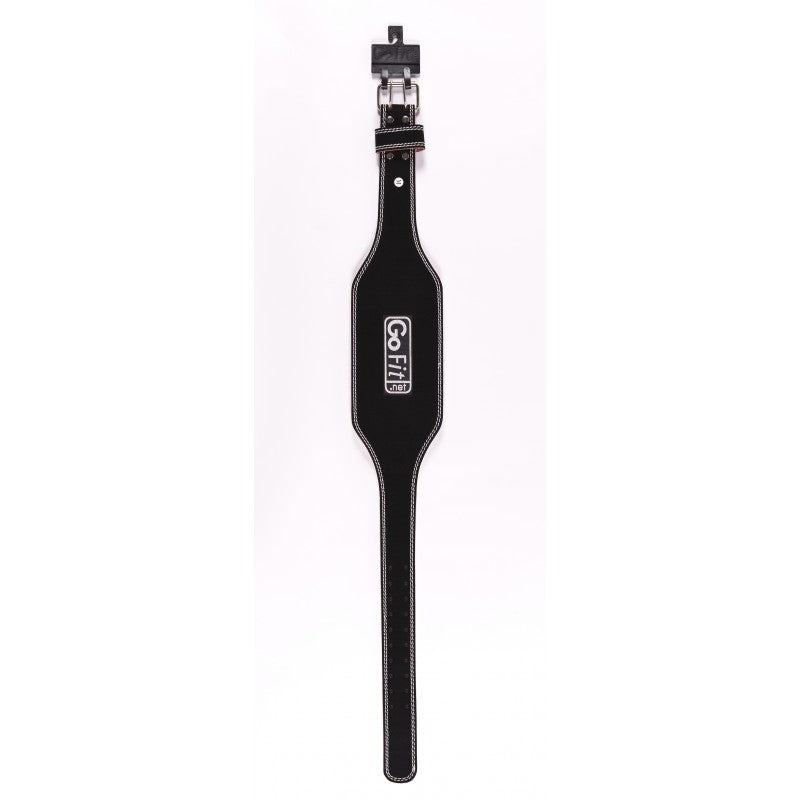
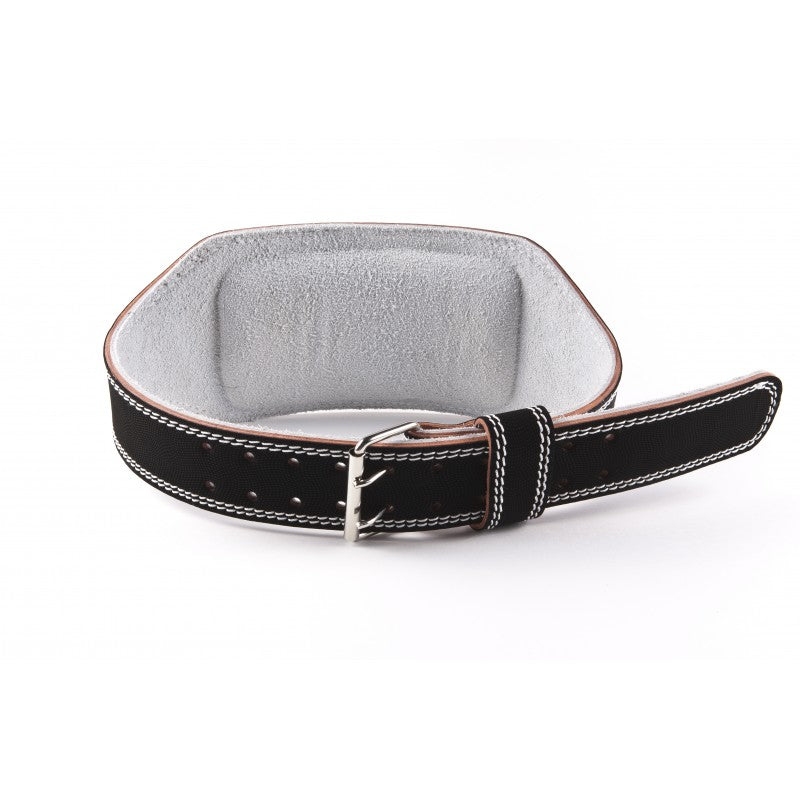
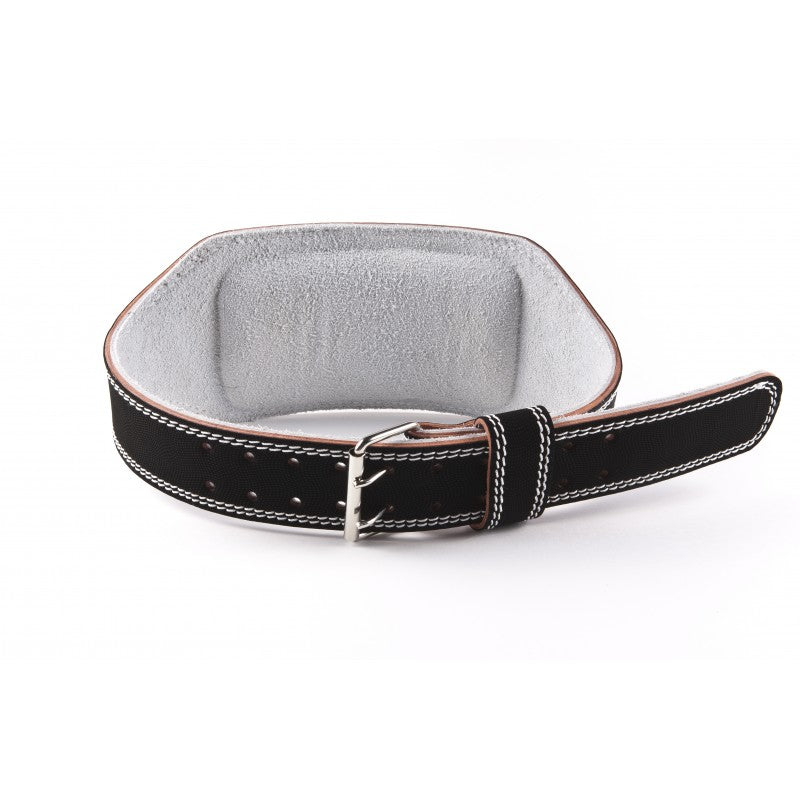
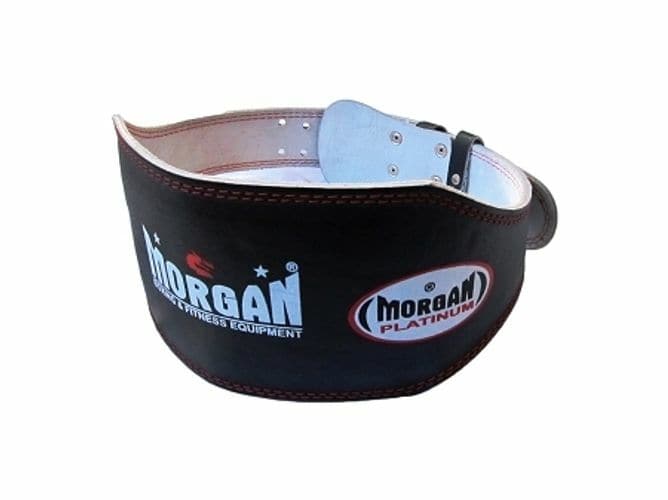
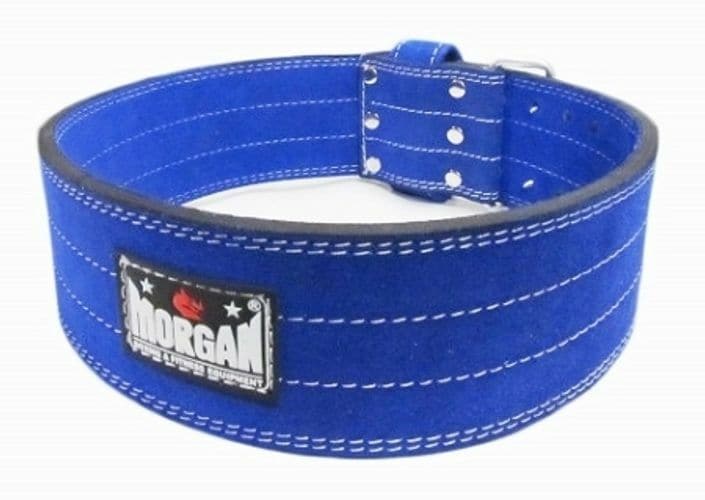
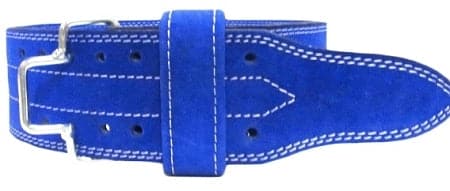
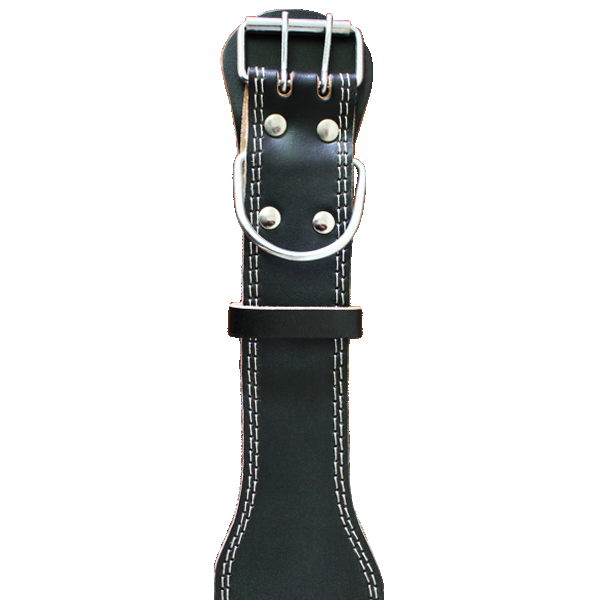
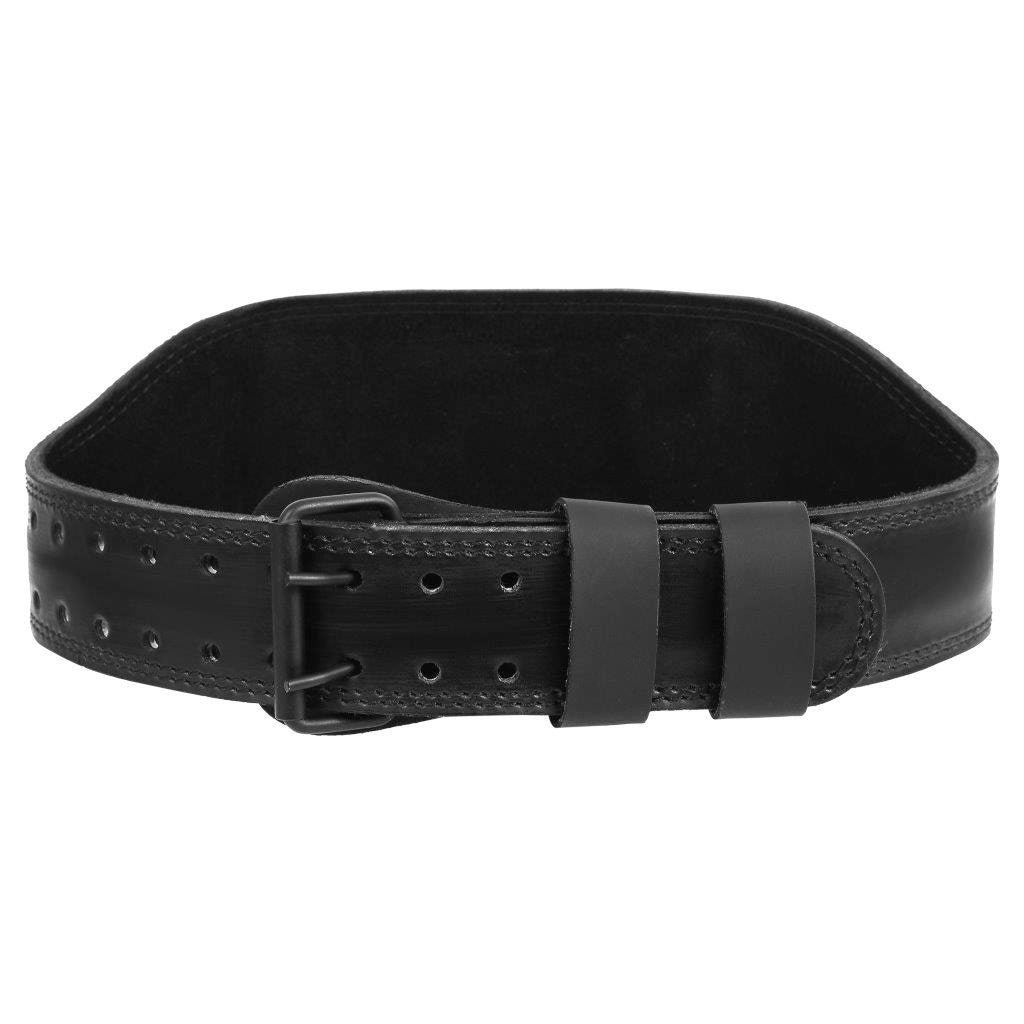
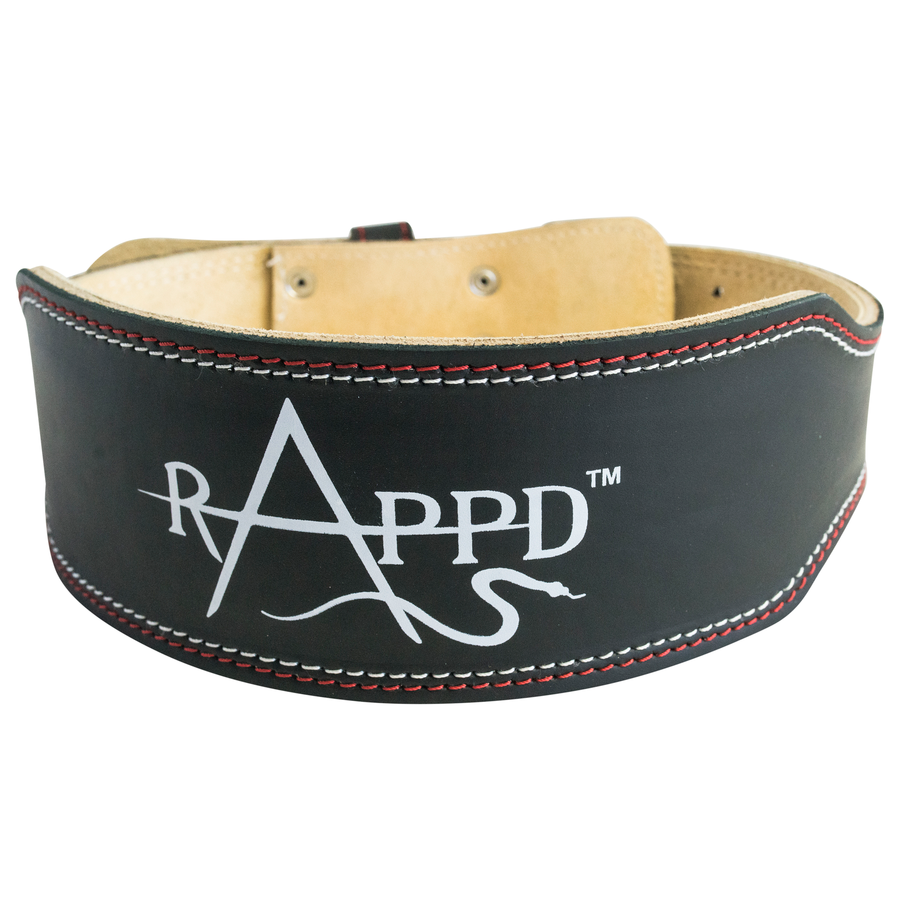
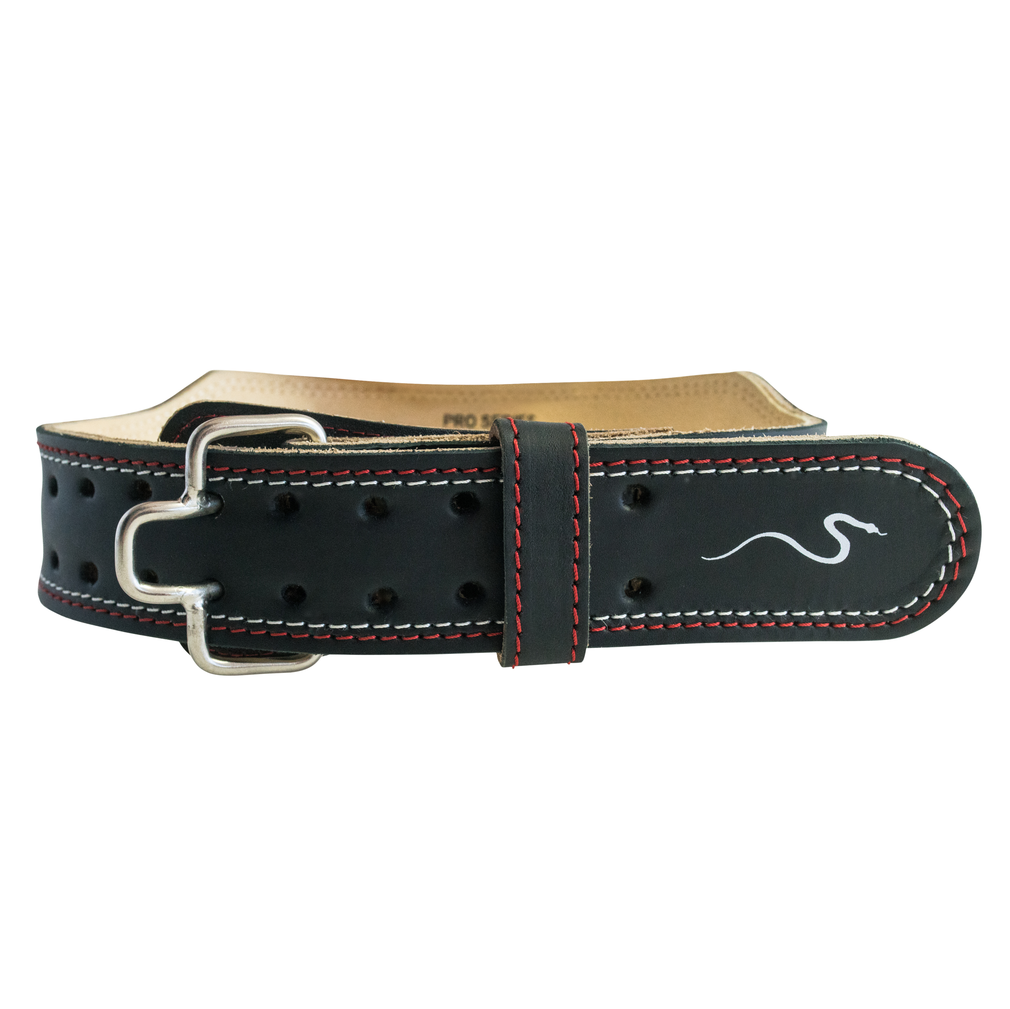
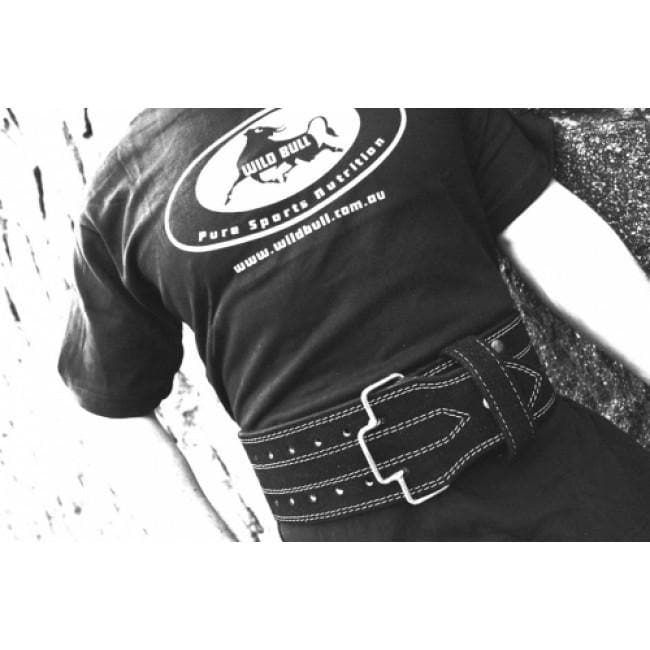
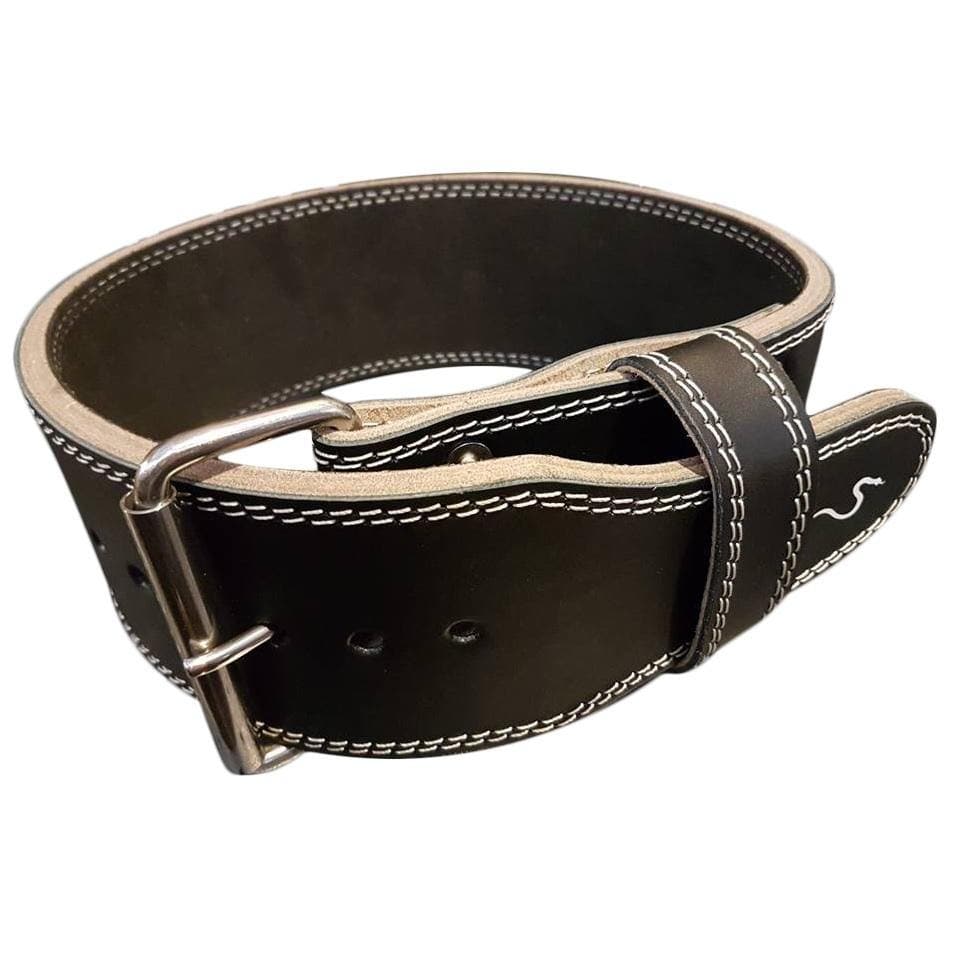
Leather Belts (Prong / Buckle)
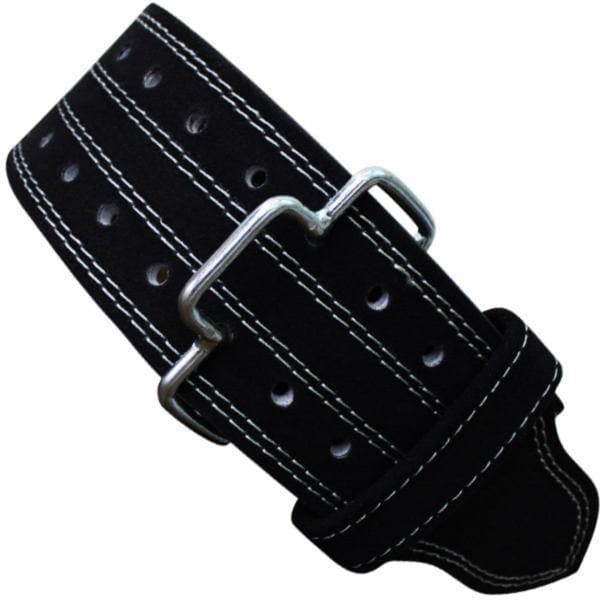
Traditional strength belts designed for stable bracing and heavier lifting. Great for long-term durability and consistent support.
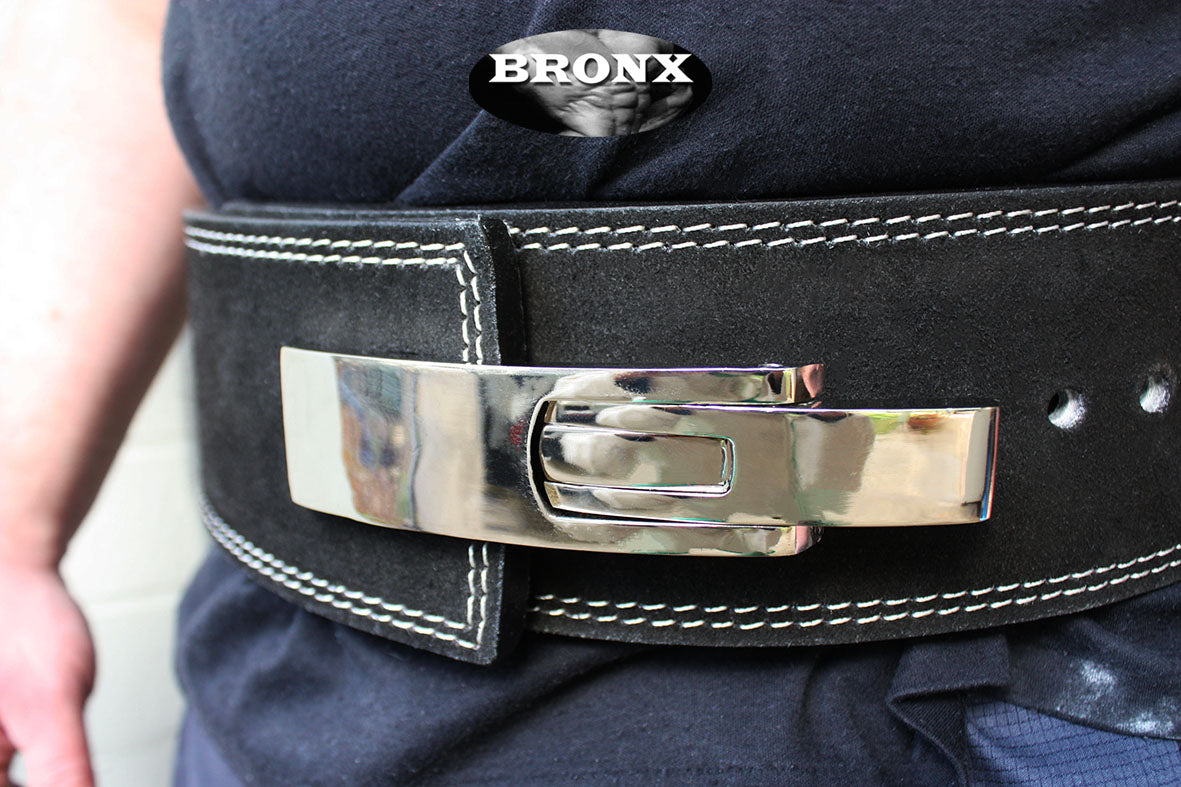
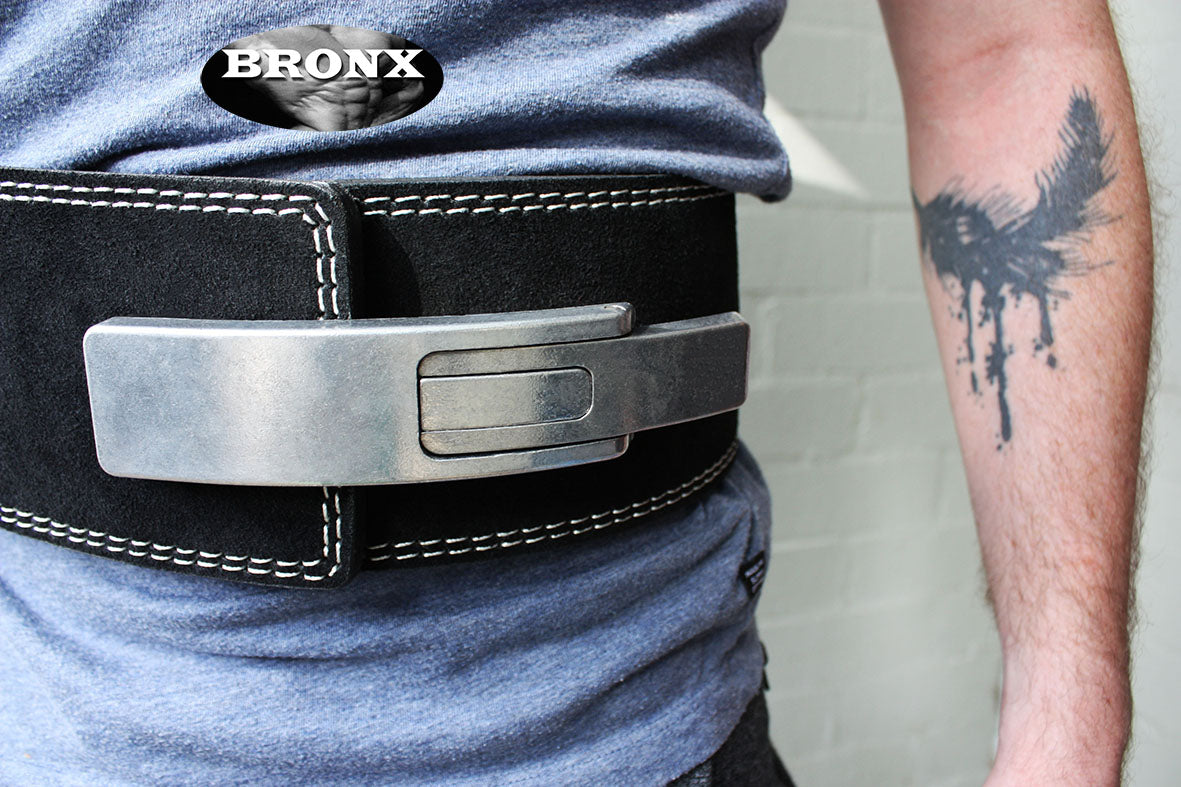
Lever Belts
Fast on/off design with a locked-in feel. Popular for lifters who want quick setup between sets and consistent tightness.
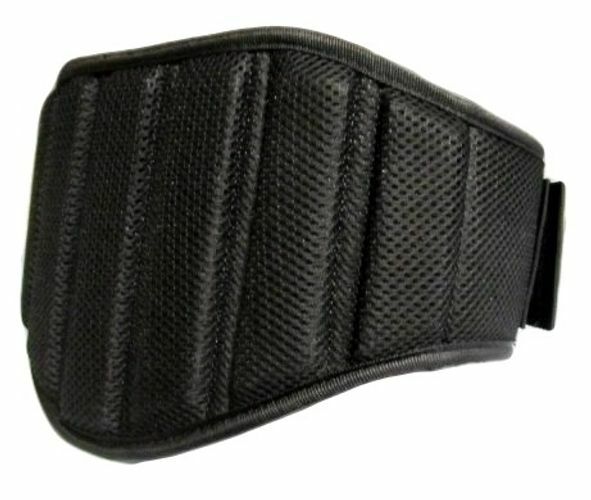
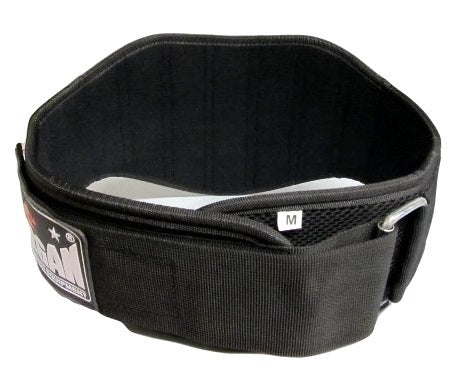
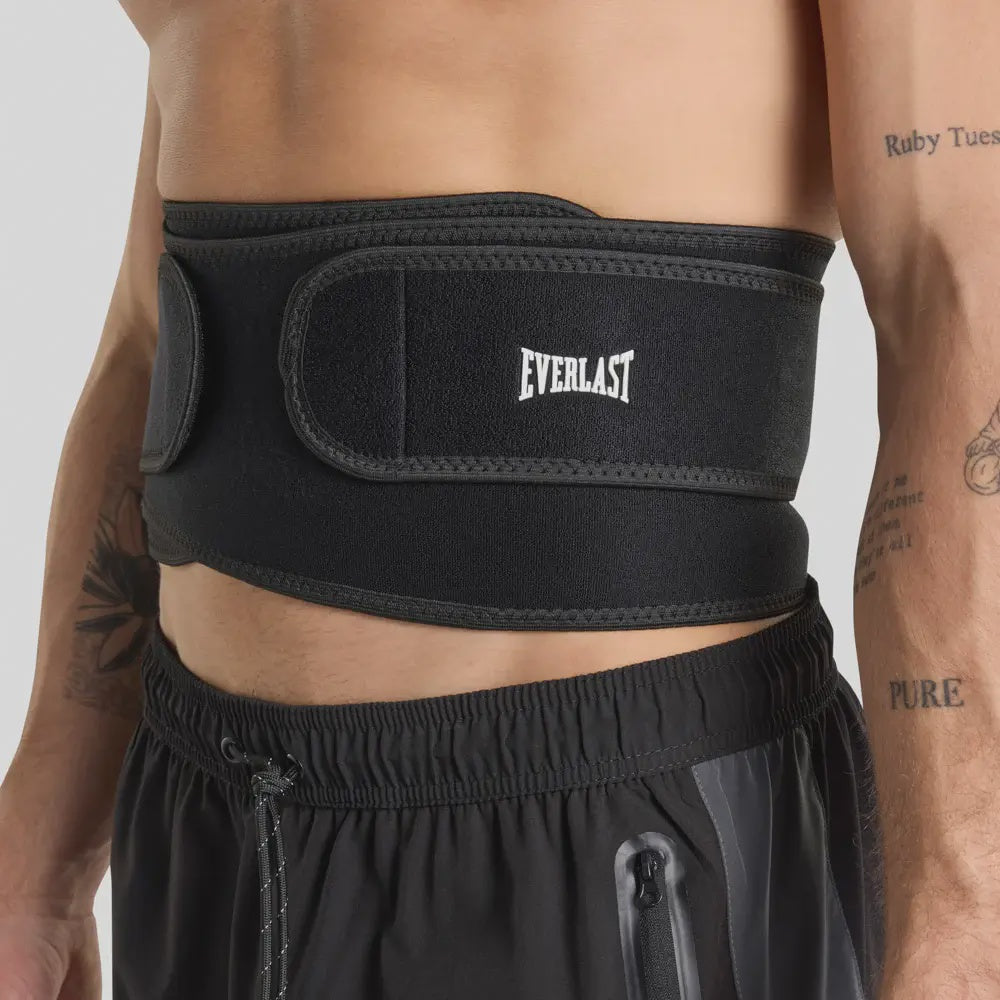
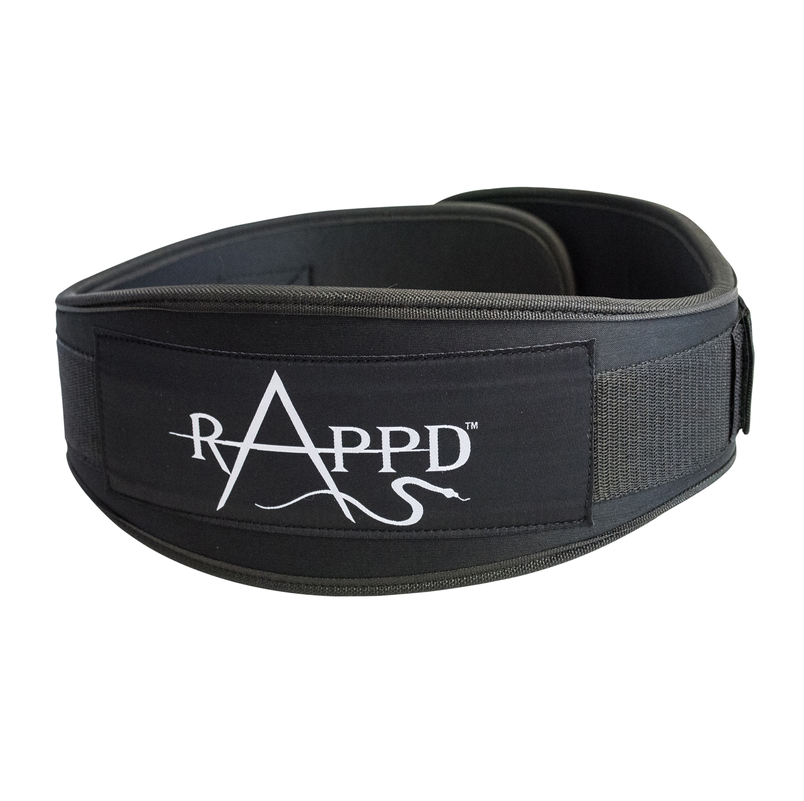
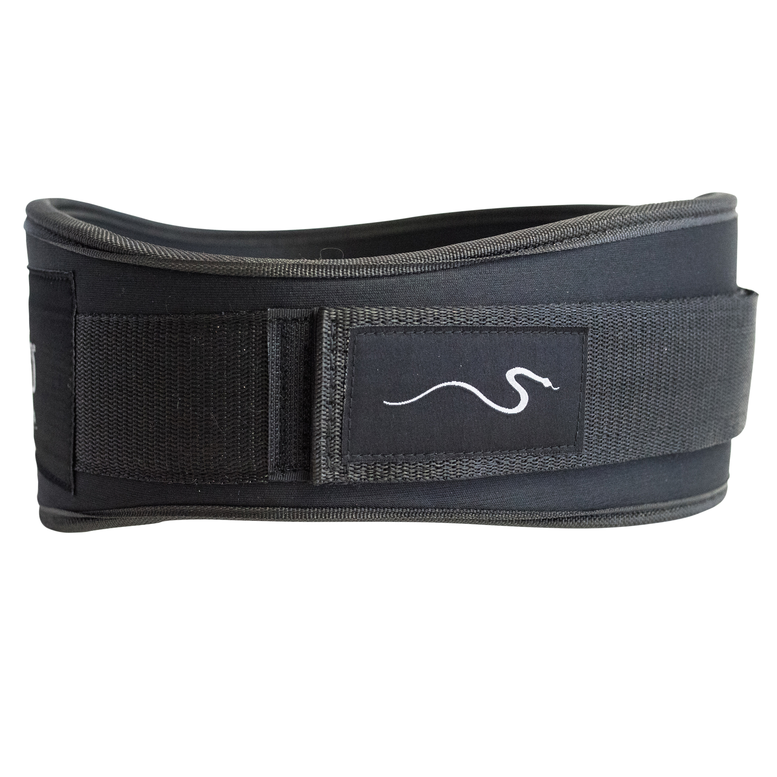
Neoprene / Velcro Belts
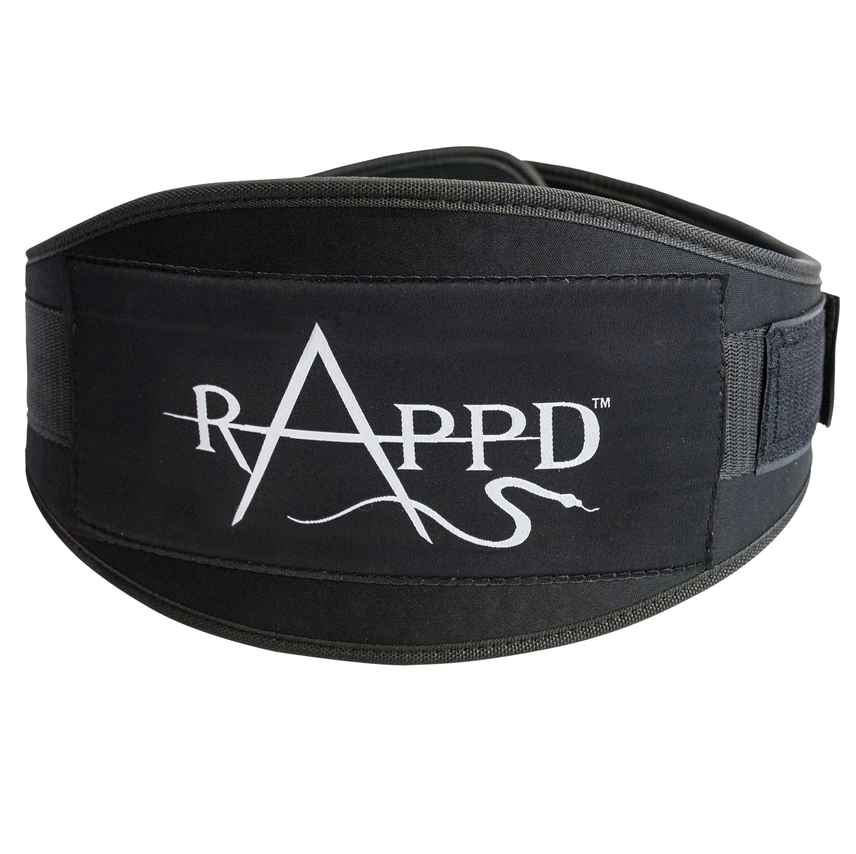
Lightweight, comfortable and flexible — ideal for general training, beginners, or higher-rep sessions where you want support without a rigid feel.
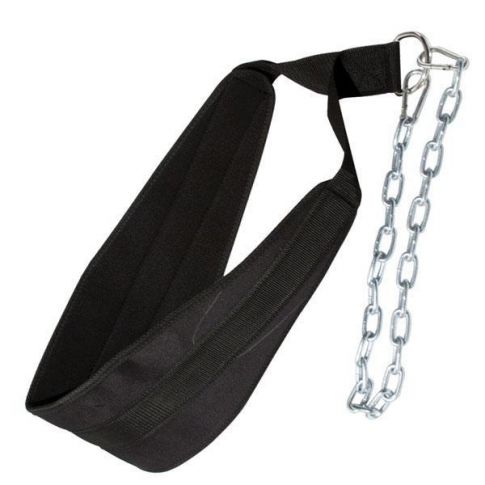
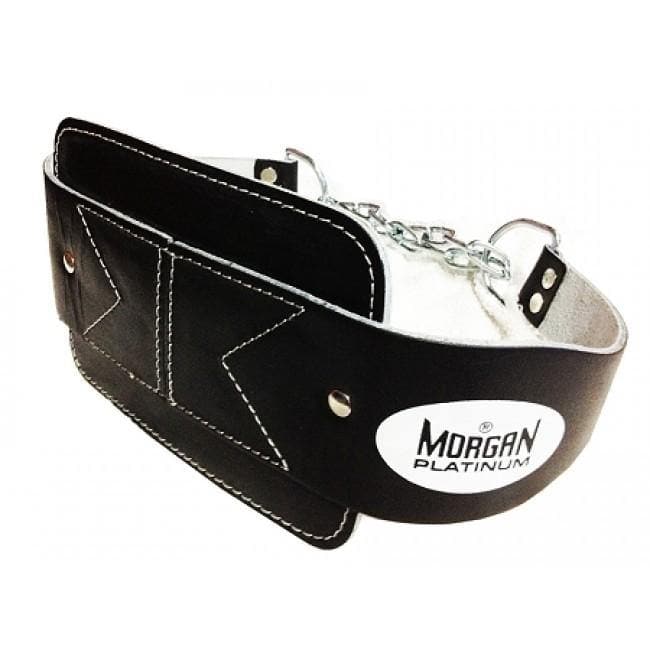
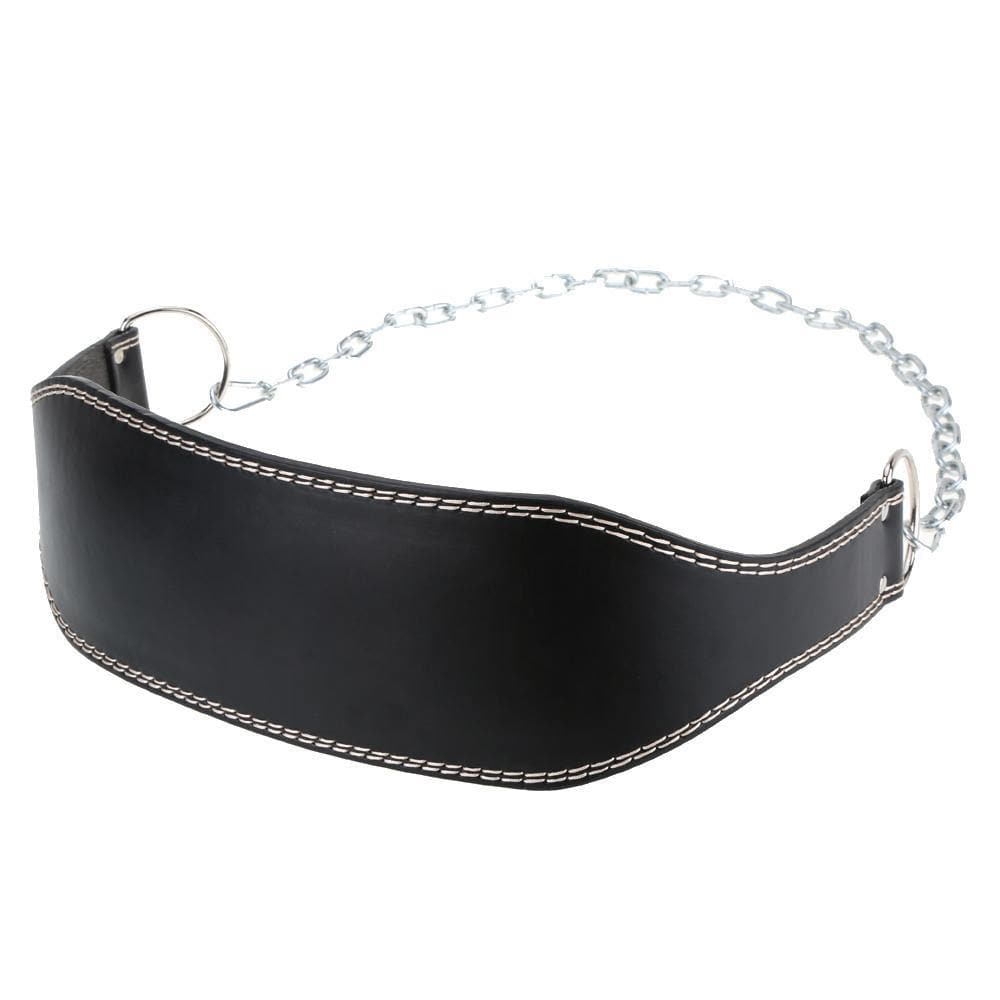
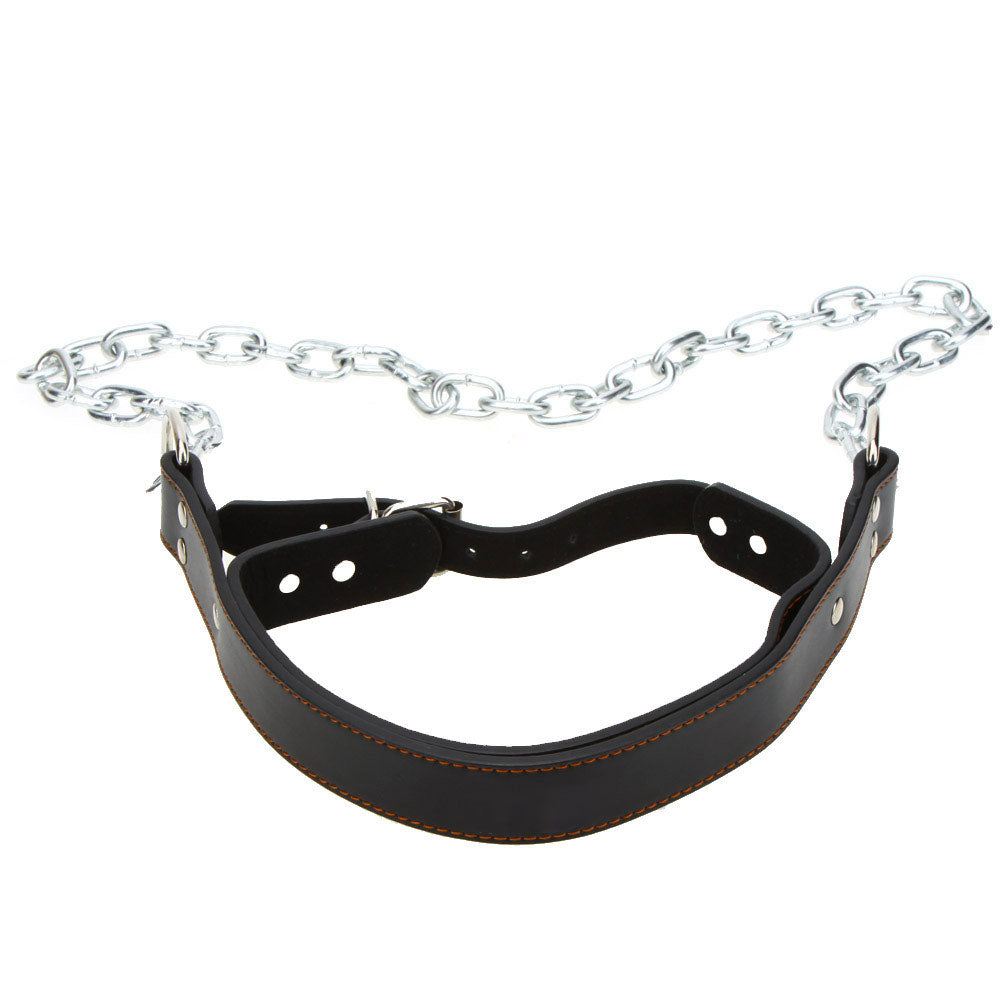
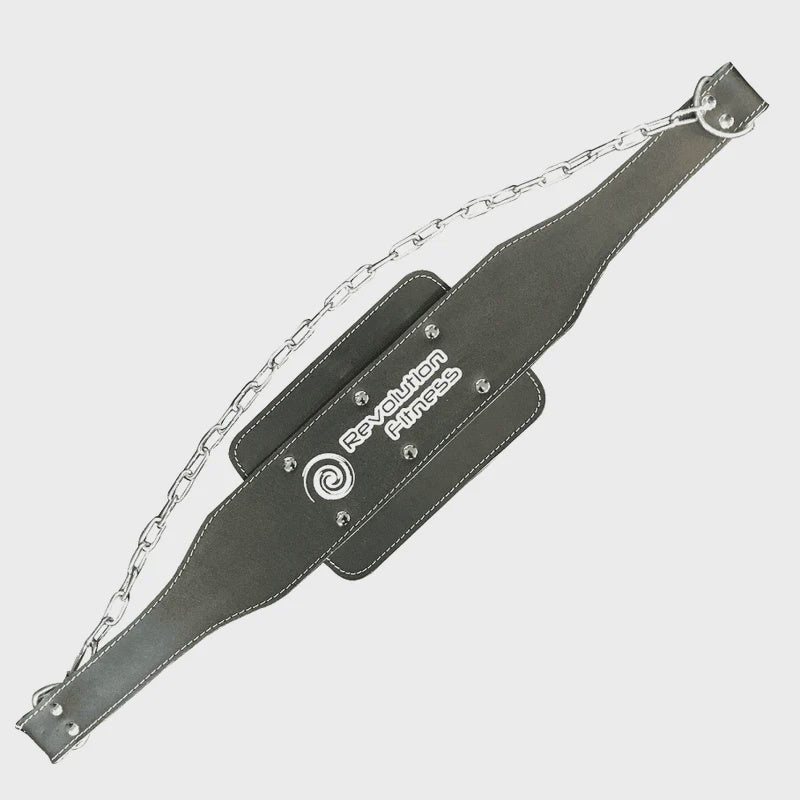
Dipping Belts
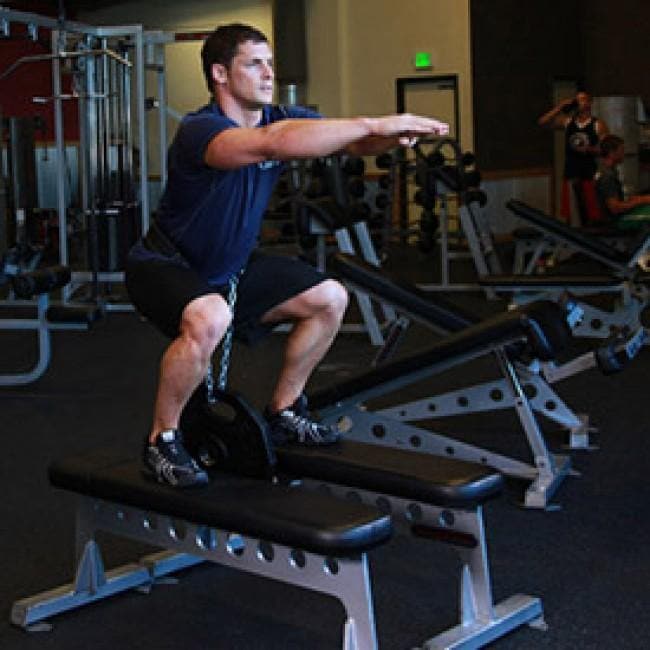
Designed to add weight for dips, chin-ups and belt squats by attaching plates via chain/strap systems.
How to Choose the Right Weight Lifting Belt
1) Match the belt to your training style
- Heavy barbell strength: leather or lever belts
- General gym / hypertrophy: neoprene/velcro belts can be a comfortable option
- Weighted dips / chin-ups: dipping belts
2) Choose the closure you’ll actually use
- Lever: fastest on/off, very consistent tightness
- Prong/buckle: classic, highly secure, great durability
- Velcro: quick and comfortable, ideal for lighter support
3) Get sizing right
Measure around your waist (at the height you’ll wear the belt) and use the product sizing guide. If you’re between sizes, choose the fit that gives you room to tighten as you progress.
Tip: If you train heavy regularly, pairing a belt with wraps and sleeves can help support joints during higher-load training blocks.
Weight Lifting Belts for Home vs Commercial Use
Home Gym Use
- Neoprene/velcro belts are comfortable for general training
- Leather belts are ideal if you’re progressing to heavier barbell lifts
- Great pairing with resistance bands for warm-ups and activation work
Commercial / PT Studio Use
- Durable leather or lever belts handle frequent use
- Multiple sizes suit different clients
- Quick-adjust options help keep sessions moving
For setups built around barbells, explore barbells and plates to complete a progressive strength station.
Buyer Guidance
Best for Beginners
- Neoprene / velcro belts for comfortable bracing practice
- Focus on learning technique first, then add belt support as loads increase
Best for Strength & Heavy Lifting
- Leather prong/buckle belts
- Lever belts for quick setup and consistent tightness
Best for Weighted Dips / Chin-Ups
- Dipping belts for adding plates to bodyweight movements
Budget vs Premium
- Budget: neoprene/velcro belts for lighter support and general training
- Premium: leather or lever belts for long-term durability and heavier lifting
For a full “lifting kit”, many athletes add gloves or chalk for grip comfort and gear bags to keep it all together.
Frequently Asked Questions
Do weight lifting belts help with heavy lifts?
They can help you brace more effectively and maintain trunk stability during heavy compound movements when used correctly.
How tight should a lifting belt be?
Snug enough to brace against, but not so tight that you can’t breathe and brace properly.
Is a lever belt better than a buckle belt?
Lever belts are faster to use and very consistent. Buckle belts are classic, secure and easy to adjust in smaller increments.
Do I need a belt as a beginner?
Not required — many beginners focus on technique first. Belts can be added later as loads increase or for confidence under heavier sets.
Do you ship weight lifting belts across Australia?
Yes. Orders dispatch from Sydney and ship nationwide.